loft apartments
Describe open floor area, ceiling height, exposed surfaces and any elevated or inaccessible features. Agree on reachable tasks; high access and heavy furniture movement should not be assumed.
Union Square Cleaning Service
Plan regular upkeep, a detailed visit or a move-out clean. Choose your supply option and tell us which rooms need attention, then request availability for your preferred date.
Online self-booking · Choose your supplies · Confirm your visit
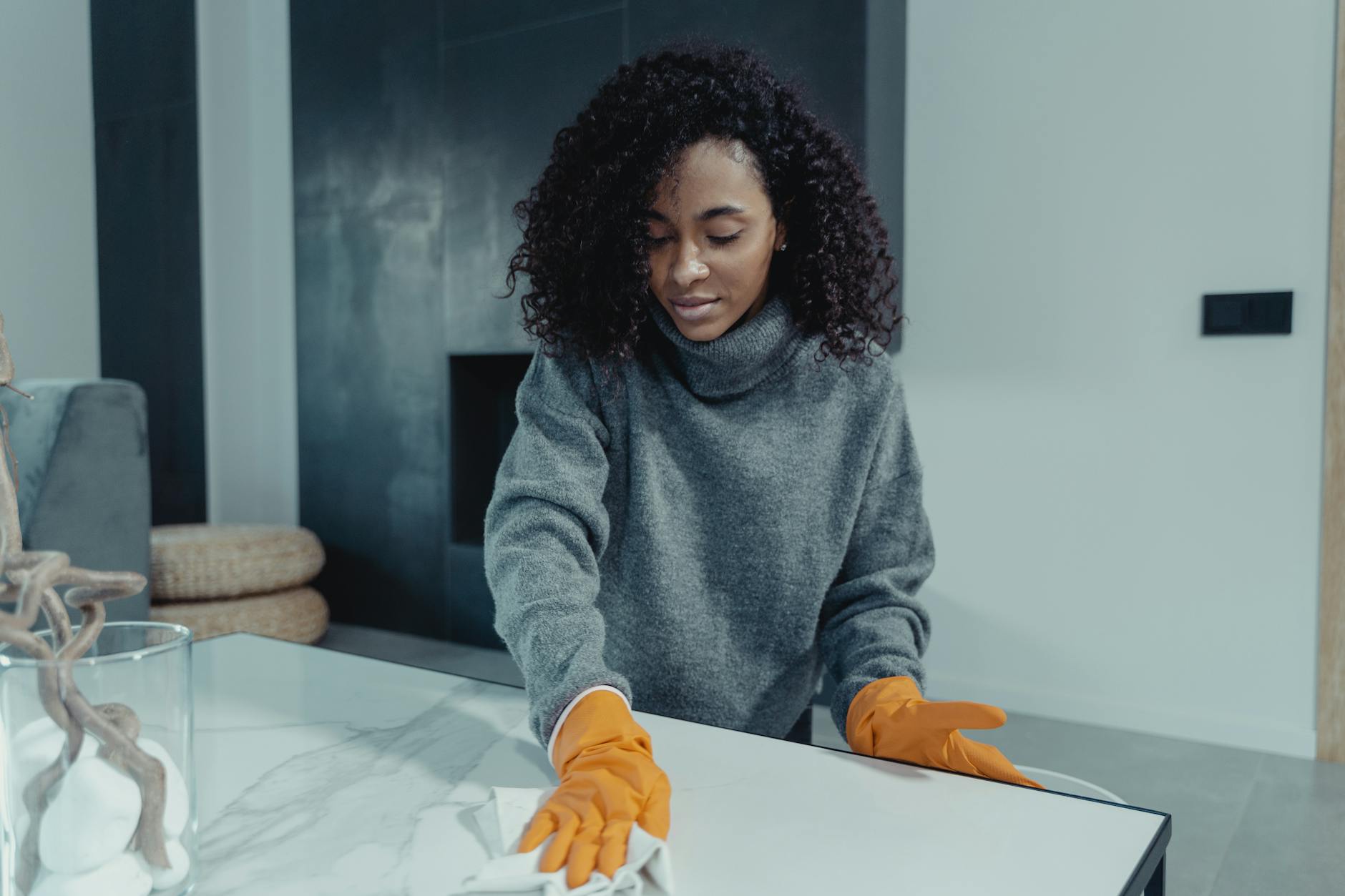
Choose the rooms and tasks that matter most for your Union Square home. Share your priorities when arranging the checklist and estimated cleaner-hours.
Discuss appliance interiors, cabinets and detailed tasks separately. Cleaning does not guarantee a tenancy deposit refund or repair existing damage.
Prepare for your visit with access instructions and a checklist suited to your home’s layout.
Describe open floor area, ceiling height, exposed surfaces and any elevated or inaccessible features. Agree on reachable tasks; high access and heavy furniture movement should not be assumed.
Ask building management about entry approval, elevator reservations, parking and documentation. Provide unit-specific instructions and identify delicate flooring or fixtures before the appointment.
Identify original woodwork, stone, painted trim and other delicate finishes. Share manufacturer or property-care instructions, avoid abrasive assumptions and separate ordinary cleaning from repairs or restoration.
If you describe the location using a nearby reference such as Union Square Greenmarket or Barnes & Noble flagship, also provide the exact street address, unit and entry instructions. A landmark alone is not enough to confirm service.
Tell the operator about stairs, elevator reservations, parking, delicate surfaces, product restrictions, pets and off-limit rooms. Ask about any building documentation before confirming the visit.
Ask for the applicable hourly rate, supply option, team size and estimated cleaner-hours for your specific checklist. Review minimum duration, any eligible discount or adjustment, payment timing and the accepted appointment terms.
Confirm whether you will provide the supplies and equipment or request them with the visit. Explain product restrictions and material-care instructions.
Two cleaners working for two hours involve four cleaner-hours. A time estimate does not guarantee that every requested task fits into the appointment.
Confirm the requested date, arrival time and safe access. Sending a message or opening the booking page does not confirm an appointment.
The linked NYC operator currently publishes $59 per cleaner-hour with client supplies, $69 with supplies included and $89 for same-day ordinary cleaning. Two cleaner-hours at those base rates are $118, $138 and $178 before applicable discounts or adjustments. Confirm the rate and terms for the requested address.
Hosting a meal can leave several kinds of work in the same room. There may be dishes to handle, food the host needs to decide about, borrowed serving pieces to return and ordinary surfaces the household wants cleaned. These are related household concerns, but they are not automatically one accepted cleaning task. This guide helps a Union Square household separate those responsibilities before making a request to The NYC Maid.
The focus is ordinary residential cleaning after a home meal, not catering, food handling, event staffing, specialist treatment or a guaranteed urgent visit. A host can describe the current condition and ask the operator what is appropriate within the actual proposed arrangement. The guide does not create an event package, price or exception to service terms.
The operator behind this local guide is The NYC Maid, an NYC-based service company. The neighborhood domain describes the guide's local focus; it does not represent a separate Union Square office or an independent review service. Use the operator's actual process to discuss scope, availability, supplies, staffing, estimate and terms. A household plan becomes an arrangement only when the relevant work is accepted through that process.
Consult the service catalog when deciding which kind of ordinary cleaning to request. The service-area directory supplies location context. Use the online booking form to make a request. People seeking work should use the separate application form; that link does not establish a particular vacancy or hiring outcome.
The host may have a long list after a meal: return a borrowed dish, decide what to keep, relocate decorations and arrange ordinary surface work. The cleaner does not automatically inherit the whole list. Separate household decisions from the particular tasks proposed for assessment. This protects private belongings and keeps the operator from being asked to make food, ownership or event-management decisions under a general cleaning label.
Describe the actual state after hosting rather than relying on the phrase “post-party.” A quiet meal and a larger gathering can leave very different conditions. The operator needs useful information about the surfaces and restrictions involved. A label alone should not be used to infer urgency, staffing, supplies, suitability or the total cost of the proposed visit.
After a meal, a surface may be covered by food that the host intends to keep, return or discard. Those decisions belong to the responsible household member. A cleaner should not have to infer them from the appearance of a dish or container. Before describing a counter as available for ordinary cleaning, decide what will happen to its contents and who will complete that preparation.
This guide does not provide food-storage, food-safety or disposal instructions. Use appropriate reliable guidance for those questions. The cleaning-planning distinction is simpler: a resident's decision about food is different from an accepted task on an exposed surface. The operator needs an accurate description of what will actually remain when the proposed cleaning begins.
The phrase “clear everything from the table” may involve returning a borrowed dish, handling someone's portion, relocating a decoration and deciding what is waste. That is a collection of ownership decisions, not one self-explanatory surface task. If the host will complete those decisions, state the resulting condition. If preparation is unfinished, describe it honestly and ask what effect it has on the proposed ordinary work.
A useful note might identify the exposed dining-table surface while saying that food and personal serving items will be removed by the resident. Use that description only if the household can actually deliver it. A promise to prepare should not become a claim that the table is already clear. The operator can assess the proposed task more sensibly when its dependencies are visible.
Where another person owns a container or dish, the host should resolve permission directly. Do not assume that booking cleaning authorizes disposal or handling of a guest's belongings. The cleaner should receive a clear surface request, not responsibility for deciding which person's preference prevails. Separating those decisions helps keep both the visit and the household's own follow-up manageable.
Dishes on a surface can be an obstruction, a separate proposed task or private items the household will handle itself. State which applies. Do not infer a dishwashing service from an ordinary residential-cleaning request. If any dish-related work is desired, ask the operator specifically whether it is appropriate and can be accepted within the actual arrangement.
The household may choose to finish its own dish responsibilities before the proposed visit. In that case, describe the exposed sink, counter or table that remains for assessment. If dishes will still be present, say so. A sink full of items and an empty sink are different conditions, even if both are described casually as a kitchen that needs cleaning.
Some pieces are borrowed, delicate, part of a matching set or subject to care instructions the cleaner does not know. A general instruction to “deal with the dishes” does not communicate those facts or establish handling permission. The responsible household member can relocate such items and keep the cleaning request focused on the actual exposed surfaces.
If an appropriate dish task is separately discussed, preserve the operator's actual decision and limits. Do not turn one accepted exception into a promise about all cookware, glassware or serving pieces. The guide does not establish washing methods, machine suitability, storage choices or a standard dishwashing inclusion. Those questions require the real arrangement and reliable item-specific information.
Review should follow the same distinction. A question about an accepted exposed sink surface is different from an expectation that every dish should have been washed. If dishes remained outside scope, do not fold them into a general claim that the kitchen work was incomplete. State the specific accepted task and observation so the operator can understand the concern.
A dining table or sideboard may hold trays, serving bowls, stands, decorative pieces and borrowed items after a meal. The household should decide which belongings it will relocate and what remains untouched. Cleaning the exposed furniture surface is a different request from handling, washing, sorting or returning those objects. Clear boundaries avoid making the cleaner guess which distinction matters.
Use a location-based note rather than a complete inventory of the meal. For example, identify the sideboard and explain that the serving pieces remain in place, with only a particular exposed portion proposed for assessment. Or state that the resident will clear the top before arrival. The operator needs the actual accessible condition, not the personal history of every dish.
If an item belongs to someone outside the household, resolve its handling and return separately. A cleaning visit is not automatically a collection or delivery arrangement. The host should not leave a pile of borrowed pieces with an instruction to decide what belongs together. Keep those responsibilities with the person who knows the ownership and has the relevant permission.
Decorative pieces can also have limits. A centerpiece may contain components that should not be handled as ordinary waste, or a tray may rest on a finish the resident cannot identify. Describe the exposed surface and any retained object clearly. Avoid directing a cleaner to dismantle decorations or improvise storage simply to reach furniture beneath them.
Partial access can mean a partial surface result. If the household wants the entire table top assessed, it should discuss what preparation is required and who will complete it. If belongings remain, ask about the exposed portions and understand the limitation. The operator's actual acceptance, rather than the general visual importance of the table, sets the scope.
After household decisions are separated out, the ordinary cleaning request becomes easier to describe. Name the exposed dining surface, accessible counter, sink area or other relevant feature. Describe the visible condition without assuming that every mark is ordinary soil. Identify material information, retained belongings and any task the household is not asking the cleaner to undertake.
A room label alone is not enough when preparation differs across surfaces. The dining table may be clear while a sideboard remains covered. The counter may be exposed while the sink still contains dishes. A brief specific note prevents “kitchen and dining room” from sounding more available than the actual conditions support.
Loose crumbs, visible fingerprints and an observed patch are descriptions. Whether a patch reflects residue, altered finish or something else may be uncertain. Communicate what is known and what is not. Do not expect routine cleaning to restore an unknown material or remove every trace of a gathering regardless of the accepted task.
If reliable care information exists for a surface, identify it. If the material is unknown, say so. The operator may need to limit or exclude a task. A household's wish for a uniform appearance should not become an instruction to keep trying products until a result occurs. This guide is a planning aid, not a treatment manual.
Keep access realistic. A surface concealed beneath retained furniture or belongings should not be described as fully available. Do not assume cleaning includes moving heavy pieces, opening private storage or dismantling an installation. The operator can assess the actual proposed ordinary work when the request preserves those limits.
The dining table may be the most visible reminder of the meal, but its importance does not settle its scope. Identify whether the top is exposed, whether place settings or decorations remain and whether the household knows the finish. The operator can then assess the ordinary surface task rather than being asked to decide how the entire table should be reset.
Clearing place settings, storing serving pieces and choosing where objects belong are household responsibilities unless a specific appropriate task is separately accepted. A general phrase such as “reset the dining room” can combine cleaning with styling or preparation for another occasion. If you want ordinary surface work, use words that name that work.
Do not assume a table, chairs and sideboard share the same finish because they are in one room. If care instructions apply to the table, identify that surface. If a protective covering remains, explain what is exposed and what is not. The operator should not have to remove an unfamiliar covering or guess how it is attached to understand the proposed task.
Chair handling also needs clarity. Do not infer upholstery treatment, repair or movement of heavy furniture from a request concerning the table top. If a chair has a visible concern, describe it as a separate question. The operator can assess whether any appropriate ordinary work belongs within the actual arrangement.
When reviewing, distinguish the accepted table surface from excluded objects and unrelated furniture. A concern about an exposed edge can be raised specifically. A borrowed bowl that remains on the sideboard is not evidence that the table task was omitted. The more accurately the household describes the work beforehand, the more fairly it can assess the result afterward.
Kitchen counters can serve as food preparation space, serving space and temporary storage during a meal. Afterward they may hold small appliances, containers and items that belong elsewhere. Describe which portions will actually be exposed for the proposed cleaning. Do not assume that a cleaner can determine what may be moved, opened or discarded simply because the gathering is over.
The resident should make food decisions using appropriate reliable guidance and handle personal or borrowed containers according to their responsibilities. This guide does not provide food-safety advice. Its purpose is to distinguish that work from an ordinary exposed-counter task the operator can assess.
If equipment remains in place, state the restriction. Cleaning around an appliance is different from disconnecting it, moving it or cleaning its interior. A request should not hide those differences inside “all counters.” Identify the available portion and ask whether the limited task is suitable. The operator's decision should be recorded rather than inferred from silence.
A newly exposed patch may have an unfamiliar condition. If the household moves a tray or appliance and discovers a persistent mark, describe the current observation. Do not assume it is an easy ordinary-cleaning task merely because it was revealed during preparation. Material and condition questions remain relevant even when physical access improves.
Keep the accepted counter work distinct from meal preparation. A cleaner should not be expected to organize ingredients, prepare food for storage or determine whether an item is suitable to keep. The household can complete those decisions first and present an accurate surface request. That separation makes the ordinary cleaning arrangement easier to understand.
A request concerning the sink should say whether it will be empty and what ordinary surface work is proposed. If dishes, cookware or personal items remain, describe that condition. An exposed sink and a sink occupied by objects are not interchangeable descriptions. The operator should not discover an unspoken dish responsibility only after accepting an apparently available surface.
If the household wants any dish-related task assessed, ask separately and preserve the actual answer. This guide does not promise dishwashing, draining, drying, unloading or putting items away. A proposed surface task should not quietly grow to include a sequence of handling work the operator has not accepted.
If a fitting is malfunctioning, a drain is not operating as expected or a component needs repair, communicate the observed condition and use the appropriate qualified help. Ordinary surface cleaning does not diagnose or repair those issues. The guide does not give plumbing or equipment instructions. The operator needs truthful information to decide whether a routine task is suitable.
The surrounding area may have its own materials and restrictions. A faucet, counter and sink need not share the same care requirements. Provide reliable information where available and identify unknowns. Do not direct a cleaner to use one product everywhere merely because the features form one visual area.
Review the accepted surface work specifically. If an excluded item remained in the sink, that fact does not by itself show that an exposed portion was missed. Conversely, a general claim that kitchen work occurred should not replace a response about a specific accepted concern. Accurate boundaries support a fair conversation in both directions.
After cooking, a household may notice several appliance-related concerns at once. An exterior has visible marks, an interior has a separate condition and the resident wants equipment moved or operated. These are different tasks. Name the particular surface or question and ask the operator what can be assessed within the actual proposed arrangement.
Do not infer an interior task from general kitchen cleaning. Interior condition, preparation, supplies and suitability may require a separate decision. The household should identify any relevant restrictions and avoid promising that equipment is ready before its responsible preparation is complete. An instruction to clean “inside and out” can hide several unresolved dependencies.
The resident should not expect the cleaner to diagnose a malfunction, disconnect unfamiliar equipment or interpret operating settings as an unspoken part of ordinary cleaning. This guide does not provide appliance-handling or treatment instructions. If a technical issue exists, keep it separate and use appropriate reliable support.
Small appliances on a counter also create an ownership boundary. If the household will relocate them, state that preparation accurately. If they remain untouched, describe the exposed surface around them. Do not assume a general counter request authorizes movement of every object or cleaning of every component.
Keep any accepted appliance-related task in the complete scope record. It should not be added mentally after staffing or duration has been discussed. The operator needs to assess the whole proposed visit. The household can then review against a clear agreement instead of a broad expectation that meal-related equipment is automatically included.
Table coverings, napkins, cushions and other soft items may remain after a meal. Their care and ownership decisions belong with the responsible household member unless a specific appropriate task is separately accepted. A surface-cleaning request should not silently include laundry, stain treatment, folding or return of borrowed textiles.
If a table covering will remain in place, explain what surface is actually exposed. If the household will remove it, describe that as planned preparation until it is complete. The operator can assess the current or reliably prepared condition. A covered table should not be described as an empty exposed top simply because the resident intends to clear it later.
A mark on fabric may need item-specific information or a different kind of service. This guide does not diagnose stains or give textile-treatment instructions. Describe the concern and ask about the appropriate scope rather than expecting ordinary cleaning to restore every item used during the meal.
Borrowed textiles can add another layer of permission. The host should resolve handling and return with the owner. The cleaner should not have to identify which pieces belong together or decide what condition an owner will accept. Keeping borrowed items outside the surface request can simplify both the visit and the household's own follow-up.
After the accepted cleaning, the household can return belongings based on the actual surface condition and applicable care information. Do not infer a universal drying or reuse time from this guide. If the question concerns the cleaning performed, ask the operator specifically; if it concerns a textile, use reliable information relevant to that item.
A meal may involve temporary decorations, extra trays, a serving station or furniture arranged differently from normal. Describe the actual condition that will remain for the proposed cleaning. The operator should not have to infer that the gathering's temporary layout may be dismantled or that the household wants everything returned to a remembered original position.
The responsible resident can decide which decorations to retain, relocate or remove. A general instruction to tidy up can hide decisions about reusable items, borrowed pieces and personal preferences. Separate those choices from the ordinary exposed-surface work. If an appropriate handling task is desired, ask specifically and obtain an actual decision.
An object used for one meal can still be private property that should not be discarded. The cleaner should not determine ownership or value from appearance. Clearly designate any ordinary waste within the accepted arrangement and keep uncertain items untouched until the household decides what happens to them.
If a temporary serving station remains furnished, identify its exposed portions and limits. A full-surface result may not be possible under retained objects. Discuss that limitation before relying on the visit. The operator can assess a truthful partial request more usefully than a broad instruction to clean a surface that remains covered.
Do not let temporary rearrangement become an unaccepted moving task. Restoring a room layout, relocating heavy furniture and ordinary surface cleaning are different kinds of work. The guide does not authorize movement or promise a furniture-reset service. Describe what the household will prepare and ask about the actual ordinary task that remains.
After hosting, packaging, reusable containers and personal belongings may be mixed together. Decide what is waste before asking someone else to remove it. The household's knowledge of ownership is not automatically shared by a cleaner. A phrase such as “throw out what is left” can authorize much more than the resident intends, especially when borrowed or reusable pieces remain.
If ordinary waste-related work is part of the proposed visit, describe it and ask the operator what can be accepted. Do not assume that removal, sorting and transport of every item are included. The actual arrangement and relevant property conditions matter. This guide does not establish a waste-removal service or provide disposal instructions.
A container might be empty but still belong to someone who wants it returned. Packaging might hold an accessory or document. A paper item might be personal rather than disposable. The cleaner should not have to inspect everything to determine what the host values. Resolve those decisions separately and keep the ordinary cleaning scope readable.
If an item or condition may need specialist handling, communicate it accurately. Do not relabel it ordinary household waste to fit a cleaning request. This guide does not address disposal of restricted materials or hazardous conditions. Use appropriate reliable guidance and qualified help for those questions before relying on an ordinary service visit.
Where the household has designated ordinary waste and the operator accepts a related task, retain the actual limit. One accepted receptacle does not imply permission to empty private storage, inspect cupboards or decide which products are unnecessary. Clear designation protects property while giving the cleaner a concrete task that does not depend on guessing.
Keys, phones, bags, notes and other personal belongings may end up among serving items after a meal. Before describing a table as ready, the responsible person should decide how those belongings will be handled. A cleaner should not need to search through them or infer ownership to expose the surface underneath.
The household can relocate personal items to an appropriate place under its own responsibility. This guide does not prescribe a storage method. The relevant cleaning fact is whether the requested surface is exposed and whether any remaining objects must stay untouched. Share that condition without listing private contents.
If a guest is looking for something left behind, resolve that question with the household before clearing objects indiscriminately. A general request to clean should not be used as authorization to search private bags, open containers or decide which items belong to which person. The scope should name ordinary work that can be understood without an ownership investigation.
Photos used for assessment can inadvertently show personal belongings or labels. Check the entire image and any reflections before sharing it. An image should answer a real scope question, such as the amount of exposed table surface. It should not become a record of everything a guest left in the home.
If belongings remain in place, ask about the exposed portion and accept that retained objects may limit the result. Do not expect the cleaner to silently override the handling restriction to make the room look fully reset. The household's preferred appearance and its permission boundaries need to be compatible within the actual accepted task.
A dining table may return to use as a desk after the meal. That does not mean ordinary cleaning includes sorting documents, reconnecting equipment or arranging a workspace. The resident should decide what must be relocated and what remains private. The cleaning request can then name the exposed surface without inheriting the household's separate work setup.
Describe retained equipment and documents accurately. If the surface remains partly furnished, ask about the available portion. A cleaner should not be asked to interpret papers, move an active device or choose where work materials belong just to reach a table top. This is a supporting preparation issue, not a separate office-cleaning plan.
The resident may want to work at the table afterward, but that goal does not establish a device-reset service or a guaranteed completion time. Discuss the actual ordinary cleaning need through the operator's process. Keep the intended next use as context only where it affects a real decision about scope or room availability.
If a new mark is discovered when work materials are moved, describe it as a current observation. It may or may not be ordinary soil. The surface's earlier use for dining does not diagnose the mark or establish a restoration expectation. Material information and the operator's assessment remain relevant.
Review the accepted table surface specifically. A document pile that the household chose to retain is not an omitted cleaning task. A question about an included exposed area can be raised clearly without displaying private papers. The household can preserve its work privacy and still arrange useful ordinary surface work.
A request made before a meal may be based on an expected condition. A request made afterward can describe what is actually present. Keep those different states clear. The operator should know whether it is assessing an anticipated ordinary task or a current room with known surfaces, belongings and restrictions.
If the original request was made in advance, report material changes that affect scope. Perhaps more serving items remain than expected, a surface is no longer exposed or an unfamiliar mark needs assessment. Do not leave the operator relying on an earlier description simply because it was convenient when the arrangement was first discussed.
“We will clear the table” describes a plan. “The table is clear” describes a condition. Use the correct statement. If the plan depends on another person returning for borrowed items, that dependency should not be treated as finished. The operator can assess a proposed ordinary visit more sensibly when preparation is described honestly.
Not every moved object requires an update. Focus on changes that affect accepted work: surfaces becoming obstructed, material questions arising or a room becoming unavailable. A concise current description is better than a long sequence of minor messages that leaves the cleaner uncertain about which version applies.
If the actual condition makes the proposed visit unsuitable for the household's purpose, discuss that through the service process. Do not assume the cleaner must solve the gap through extra labor, unaccepted item handling or a different kind of service. The complete arrangement should reflect the actual request, not an outdated approximation.
After a meal, the household may notice many concerns at once. A short priority list can help the operator understand what ordinary work matters most. The list should name assessable surfaces and preserve restrictions. Calling a task essential does not establish feasibility, alter terms or authorize handling that the household otherwise excludes.
For example, the resident might prioritize the exposed dining table and counter, with another available surface as a secondary request. These are hypothetical preferences, not a standard package. The operator needs to assess them within the complete proposed visit. A list of priorities is useful because it communicates choice, not because it adds unlimited work.
If everything is labeled first, the list does not express the household's actual preference. Decide what matters to the reason for booking and ask what can be accepted. Keep unresolved food, dish and personal-item decisions on a separate preparation list. Those decisions should not compete with ordinary surface tasks as if they were interchangeable work units.
If one proposed surface is excluded, a different task does not automatically replace it. The substitute may need different supplies, time or assessment. Ask the operator about the change rather than assuming a general amount of effort can be spent anywhere the household chooses. The actual arrangement controls what work is accepted.
When reviewing, use the same priorities and confirmed changes. Do not elevate a secondary request into a promise that was never made. Equally, do not let a broad phrase such as “we focused on the main room” erase a specific accepted task. A precise list supports a fair record for both the household and operator.
Begin with the actual ordinary work you want assessed. Name the relevant surfaces, their present condition and the boundaries that affect them. Then explain what the household will prepare, what is already prepared and what remains untouched. Keep food decisions, dish responsibilities and borrowed-item handling distinct from the surface tasks proposed to the operator.
A hypothetical request might say: “Please assess ordinary cleaning of the exposed dining-table top and accessible counter portions. The resident will handle food and dishes before the visit. The serving tray on the sideboard remains untouched, so only the exposed portion is proposed there. Please confirm the accepted scope and any preparation needed.” That is a wording example, not a service quote or promise.
If the table finish is unknown or a visible mark may not be ordinary soil, state that directly. Do not bury the concern beneath a general request to return the home to its previous appearance. The operator may need more information or may exclude the feature. An accurate unknown is more useful than a confident but unsupported claim that a mark will be easy to remove.
Describe the complete proposed visit rather than adding meal-related work mentally after other arrangements have been discussed. Staffing, supplies, duration and estimate should be understood together through the operator's actual process. This guide does not set a price or create an exception to the service's real terms.
Use accurate decision words. A task that has been requested is not yet necessarily included. A surface that will be prepared is not yet necessarily exposed. A message acknowledged is not necessarily a scope change accepted. Keeping those distinctions visible prevents the household's plan from becoming more definite than the actual agreement.
Imagine a host who wants a sideboard surface cleaned after a meal. Several serving pieces remain on it, including borrowed items. The host initially asks for the whole sideboard to be cleaned and cleared. That request combines an ordinary surface task with decisions about ownership, handling and return that the cleaner has not accepted.
The host can resolve the borrowed items separately and describe the resulting available surface. If the items will remain until their owner collects them, say so and ask about the exposed portion. The operator can assess that limited task. The cleaner should not be asked to decide whether a borrowed object can be washed, moved or placed with another person's belongings.
If the sideboard becomes exposed before the visit, the host can report the new condition and ask whether the full top can be included. Improved access is information for assessment, not automatic acceptance. The operator may still need material information or may need to consider the complete scope already arranged.
Suppose one item remains. The host should identify the current restriction rather than repeating that everything is cleared. A narrow honest update can preserve a workable ordinary request without turning the cleaner into an item coordinator. The request does not need to explain the guest's personal reasons for collecting something later.
After the visit, review the portion actually accepted. If the remaining borrowed item concealed part of the surface, that area should not be treated as an omitted task if it was excluded. A concern about an exposed accepted portion can be raised specifically. The scope record helps separate the cleaning question from the host's unfinished return arrangements.
This invented case shows why surface access and object ownership should not be collapsed into one instruction. The household can arrange useful ordinary work while keeping borrowed items untouched. The operator needs the current condition and actual request, not an assumption that the end of a meal transfers responsibility for every object to the cleaner.
A household finishes its own food decisions and clears the counter after a meal. Dishes remain in the sink. The booking contact describes the kitchen as ready because the main counter is exposed. That phrase hides a meaningful difference between two proposed surfaces. The operator needs to know which task is actually available and whether any dish-related work is being requested.
A clearer note names the exposed counter and states that dishes remain outside the ordinary surface request. If the household wants the sink included, it should discuss who will handle the dishes and when that preparation will be complete. The guide does not imply that the operator accepts dishwashing or that an occupied sink will be cleared as an unspoken step.
The household does not have to pretend every part of the kitchen is ready. A partial but accurate condition can support a limited assessment. If the operator accepts the exposed counter only, keep that decision clear. If the household later empties the sink, ask whether an additional surface task can be accepted rather than assuming it has been added.
If dish preparation is unfinished at arrival, communicate the current state through the actual process. Do not expect the cleaner to absorb it through unaccepted handling or extra time. The household can explain its desired outcome while respecting that the operator must decide what work fits the arrangement.
Review the counter task separately from the excluded sink and dishes. A dish that remains in the sink does not prove the counter work was omitted. A concern about the accepted counter should identify the surface and observation. Keeping those questions separate avoids turning a clear limited visit into a dispute about an unaccepted broader kitchen reset.
This scenario is hypothetical. Its practical lesson is that room-wide readiness labels can be less accurate than a few surface-specific facts. The household's actual preparation and the operator's accepted task should match, even when the arrangement is narrower than the resident first imagined.
Imagine a resident who wants ordinary cleaning after a meal but plans to retain a centerpiece and several place settings. The resident wants the table to look uniformly clean without allowing the remaining objects to be handled. Those preferences create a limitation that should be discussed before the visit. A furnished surface and an empty surface do not offer the same access.
The request can describe the exposed portions and say the retained items remain untouched. The operator can assess whether a limited surface task is appropriate. If a partial result will not meet the household's purpose, the resident should resolve that issue before relying on the visit. The cleaner should not be expected to override the restriction to produce a more complete appearance.
The resident may decide to relocate the objects personally. That creates a new condition to report, but does not settle every other question. The finish may still be unknown, or the proposed task may need assessment within the complete arrangement. Physical access is one part of scope, not a substitute for acceptance.
If the resident leaves one object in place, identify that current restriction. Avoid saying the entire table is clear when it is not. A narrow description is enough: the top is exposed except for a retained centerpiece that must remain untouched. The operator can then explain the actual accepted portion without guessing what “mostly clear” means.
A visible difference beneath an excluded object is not automatically evidence of an omitted accepted task. Review the agreed exposed areas and describe any concern specifically. If the household later removes the centerpiece and wants the concealed area assessed, that is a new request. It should not be presented as if the earlier restriction never existed.
This invented example illustrates a common planning tension between appearance and handling permission. The household is entitled to preserve belongings, but should also understand how that choice affects the proposed ordinary work. A truthful limited request is preferable to an expectation that requires the cleaner to break a stated boundary.
A host relocates a tray and notices a patch on the table. The host knows the patch was previously concealed but does not know its cause or the table's finish. The initial request says to remove the meal residue. That wording assumes an explanation that has not been established. The useful request describes the observed patch and the material uncertainty instead.
The operator can assess whether ordinary cleaning is appropriate. The host should not direct a cleaner to use stronger products, repeat treatment until the appearance changes or guarantee restoration. This guide does not identify the mark or recommend a method. A surface becoming exposed does not turn an uncertain material concern into routine accepted work.
The table's uncertain patch may need a separate decision while other exposed surfaces remain suitable for assessment. The host can ask about those ordinary tasks without pretending the patch is resolved. A clear request separates the feature requiring information from the rest of the proposed visit.
If reliable care information becomes available, share it through the operator's process. It can support an assessment but does not compel acceptance of a particular treatment. The complete arrangement still matters. The host should record the actual decision rather than assuming the new information has silently added a restoration outcome.
If the patch remains after accepted ordinary work, use the actual scope to understand what was promised. A remaining material concern is not necessarily evidence of an omitted cleaning task. Conversely, if an accepted exposed area has a specific ordinary concern, the host can raise it directly. The distinction permits a fair question without turning every visible mark into a guaranteed result.
The case is hypothetical and does not describe a customer outcome. It shows why observation and explanation should remain separate in a request. Honest uncertainty gives the operator a chance to assess the real issue; an assumed diagnosis can create expectations that neither party has actually accepted.
A host may expect several people to finish different pieces of preparation. Someone will collect a dish, another person will relocate decorations and another will handle food decisions. Do not describe the surfaces as ready until the necessary actions are complete. A request depending on other people's future work should preserve those dependencies honestly.
The booking contact can keep a short household preparation list separate from the cleaner's proposed task list. The first concerns ownership and readiness. The second concerns ordinary surfaces the operator is being asked to assess. Combining them can make it appear that the cleaner has inherited every unfinished household responsibility.
Choose an agreed household contact who can communicate scope changes. This does not make that person the owner of everyone else's belongings. It simply gives the operator a clear channel for current information. The contact should gather household decisions rather than asking the cleaner to resolve conflicting instructions from different people.
If preparation fails to happen, report the current state specifically. “The serving pieces remain on the sideboard and must not be handled” is useful information. A vague statement that plans changed leaves the operator uncertain about what work is still proposed. The actual condition matters more than the household's original intention.
Do not assume an unfinished preparation task can be converted into accepted cleaning by calling it small. The operator may need different information, supplies or time, and may not offer the proposed handling at all. Ask for an assessment rather than presenting the change as inevitable. The service arrangement should rest on a real decision.
Supplies are part of the actual arrangement, not an assumption created by the words after-meal cleaning. Confirm who provides what through the operator's process. If the household has material restrictions or reliable care instructions, share the relevant information. Do not assume that a household-supplied product has been accepted or is appropriate for every surface.
A table, counter, sink and appliance exterior may have different materials. A broad request to use one product everywhere can hide those differences. Describe restrictions by surface where they matter. This guide does not provide chemical methods, mixing instructions or treatment directions; the operator assesses the ordinary work it can appropriately accept.
If a proposed supplied item is unidentified or lacks reliable information, say so rather than expecting the cleaner to infer what it is. The operator may decline it or need more information. A wish to use what is already in the home does not establish suitability or change the accepted task.
Keep food and cleaning supplies conceptually separate in the request. The household should finish its own food responsibilities using appropriate guidance before describing surfaces as available. The cleaner should not need to decide how products, ingredients or private containers are stored to begin an accepted exposed-surface task.
If a required supply arrangement cannot be met, discuss the effect before relying on the visit. The guide does not promise that a substitute is available or that an unconfirmed change leaves the estimate unchanged. The complete proposed arrangement should remain clear, including scope, supplies, staffing, duration and actual terms.
A photograph may help show whether a table is exposed or how serving pieces restrict a sideboard. It should answer a real scope question. If a written description is enough, there is no need to create an image record of a private meal. The operator needs relevant conditions, not unnecessary details about guests or household life.
Check the whole frame and any reflections before sharing an image. Personal documents, labels, people or belongings may appear outside the intended subject. A photo used for a surface question should not disclose private information that does not affect the task. Keep the request focused on what the operator needs to assess.
A picture of dishes does not mean dishwashing is accepted. A picture of serving pieces does not authorize handling or disposal. A close-up of a mark does not diagnose its cause. Pair useful images with a written note naming the proposed ordinary task, retained objects and relevant unknowns.
Do not use a cropped image to imply broader readiness. A clear patch of counter may be surrounded by food or objects that change the actual request. Describe the full relevant condition truthfully. The aim is an accurate assessment, not making the proposed work appear easier than it is.
For a concern after the visit, share the specific observation and accepted scope alongside any useful image. A photograph may show a current condition without proving when it arose. The operator's actual process and terms govern the response. More images do not replace the context needed to understand the question.
After the visit, begin with the actual agreement. Which surfaces were accepted, which portions were excluded and what preparation conditions were confirmed? This record is more useful than asking whether every sign of the meal has disappeared. The household may still have dishes, borrowed items or food decisions that were never part of the cleaning scope.
A concern should identify the accepted surface and observation. “The exposed edge of the sideboard has visible loose crumbs” is more assessable than “the meal cleanup was not done,” especially if the host retained serving pieces. Specific wording does not decide the outcome; it allows the operator to understand the question.
If the household clears a surface after the visit, asking about that newly exposed area is a new scope question. It is not the same as raising a concern about an area previously accepted. Keep those questions separate so the operator can respond through the appropriate process and actual terms.
If a material mark remains, do not assume its cause. Refer to the observation and any relevant accepted limitation. Ordinary cleaning, repair and restoration are different outcomes. A broad wish to return the room to its earlier appearance should not replace the specific agreement actually made.
Retain the actual response. An acknowledgment is not necessarily acceptance of a particular remedy or explanation. A proposed next step is not a completed next step. This guide does not create a guarantee, refund rule or follow-up entitlement. It helps the household ask a precise question within the real service arrangement.
A short record can separate host responsibilities from proposed cleaning without becoming a complicated project. Use one side for decisions and preparation owned by the household, and the other for ordinary surface tasks submitted to the operator. The purpose is clarity, not a requirement to produce a formal document for every meal.
Record who will handle food decisions, dishes, borrowed pieces, private belongings and temporary decorations. State what is complete and what remains dependent on another person. Do not treat an intention as a finished condition. If a surface will remain partly furnished, identify the restriction clearly rather than calling the whole room ready.
Name the exposed surfaces and describe their visible condition. Include reliable material information where available and honest unknowns where it is not. Ask what can be accepted. The list should not silently contain catering, dishwashing, furniture movement, laundry, repair or specialist work simply because those concerns arose after the same meal.
Keep the accepted tasks, limitations and exclusions beside the relevant surface. A single overall approved label can conceal unresolved questions. If the operator needs more information, mark that question as unresolved. A request that has been sent should not be copied into the accepted list merely because nobody has objected yet.
Update meaningful changes before the visit and use the same surface names afterward. Keep a concern about accepted work separate from a new request on a newly exposed area. The record should make the actual arrangement easier to understand, not collect unnecessary details about the meal or its participants.
Do not assume it does. Ask the operator about any specific appropriate dish-related task and obtain an actual decision. This guide focuses on preparing exposed surfaces and does not promise dishwashing, unloading, drying or putting items away. If the household will handle dishes, describe that preparation accurately.
Food decisions belong to the responsible household member using appropriate reliable guidance. This guide does not provide food-safety or storage instructions. Separate those responsibilities from the ordinary cleaning task so the operator can assess surfaces without inheriting unspoken decisions about food.
You can state that they remain untouched and ask about exposed portions. The operator decides whether the limited task is appropriate. Do not expect a full empty-table result under retained objects. If the limitation matters, discuss it before accepting the arrangement rather than expecting the cleaner to override it.
No package is created by this guide. It helps a resident describe ordinary home surfaces after meal hosting. Use the operator's actual service process to assess suitability, availability, supplies, staffing, scope, estimate and terms. Do not infer event labor or catering support from the guide's subject.
Describe the observation and any reliable material information. Do not assume it is ordinary residue or that a routine task includes restoration. The operator can assess the particular request and may limit or exclude the feature. This guide does not diagnose marks or recommend treatment methods.
You can ask. Improved access creates new information for assessment, not automatic acceptance. The operator needs to consider the actual task within the complete arrangement. Record the answer so a newly sent request does not become an assumed promise.
Keep their handling and return as household responsibilities unless a specific appropriate task is separately accepted. Describe the retained objects and the exposed portions proposed for cleaning. The cleaner should not decide ownership or dismantle an arrangement to make the request appear complete.
Name the accepted surface and specific observation through the operator's actual process. Keep new requests separate from follow-up about accepted work. Include only necessary context and retain the actual response. The guide does not replace real service terms or establish a particular remedy.
The NYC Maid is the NYC-based service operator behind this Union Square guide. Use the online booking form to discuss the ordinary visit you need. Bring the current surface condition, household preparation responsibilities, retained belongings and material questions rather than a vague request to erase every trace of a meal.
Review the service catalog for service categories and the service-area directory for location context. People seeking work should use the separate application form. The local domain does not represent another office or an independent ranking service.
A useful arrangement separates the host's ownership decisions from the operator's accepted ordinary tasks. It states what is exposed, what remains private and what still needs assessment. The household can then prepare and review against a real agreement rather than an assumption that every post-meal responsibility belongs to the cleaner.
The following exercise is invented. It is not a list of standard inclusions, a customer account or a quotation from an operator. Imagine a host writes down everything still on their mind after a meal: return a borrowed bowl, decide what happens to remaining food, wash dishes, clear papers from the table, address a visible table mark, clean the exposed counter and put the room back the way it was. That list is useful to the host, but it is not yet a clear ordinary cleaning request.
The borrowed bowl needs a decision by the host and owner about handling and return. Remaining food needs responsible household decisions using appropriate reliable guidance. Papers may contain private information and need to be handled by the responsible person. Those items belong on the household's own list. They should not be sent to the cleaner as if the word cleanup makes ownership questions self-explanatory.
The host does not need to explain the private content of the papers or the guest's reasons for wanting the bowl returned. The relevant preparation fact is whether those items will be relocated and whether the surface beneath them will be exposed. This keeps the operator's information proportionate to the actual service question rather than collecting the details of a private gathering.
Dish work is not an assumed inclusion. If the host wants it assessed, it should be a specific question to the operator. The host can instead choose to complete its own dish responsibilities and ask about the exposed sink afterward. Either way, the current condition needs to be described accurately. A sink that will perhaps be emptied later should not be presented as already available.
Putting the room back the way it was may include furniture movement, object placement and personal preferences that ordinary surface cleaning does not establish. The host should decide what preparation it will complete and what belongings remain untouched. If it wants an appropriate additional task assessed, the task should be named rather than hidden within a room-reset phrase.
The visible table mark needs a description, not an invented explanation. The host can identify its location and appearance, state that the finish is unknown if that is true, and ask whether ordinary work is appropriate. It should not claim the mark is simply meal residue without a basis or expect a restoration outcome through a routine request.
The operator may need more information, limit the task or exclude it. The host should preserve that decision beside the table entry. Other exposed surfaces can still be discussed without pretending the table concern has been resolved. Separating the uncertain feature makes the remaining ordinary request easier to understand rather than letting one mark become a promise about the whole room.
The exposed counter is a concrete proposed task. The host can identify the portion, visible condition and any retained equipment. If a small appliance remains untouched, that limit should be clear. The operator can assess the exposed surface without being expected to disconnect equipment or clean an interior that was never discussed.
The host should also state any reliable material restrictions relevant to that counter. If there are none known, it should not invent them. If the material is uncertain, that uncertainty belongs in the request. The goal is not to make the task sound technically impressive but to provide accurate facts that could change an actual decision.
The revised request can be short: the household will handle food, dishes, papers and borrowed items; the counter portion is exposed with equipment retained; the table mark is a separate question because its cause and finish are uncertain; no furniture reset or item-return task is proposed. The operator can then assess the complete ordinary request through its actual process and terms.
This summary is not complete merely because it was written. The household still needs the operator's actual decisions and must report a meaningful preparation change if the condition differs before arrival. The distinction is practical: a readable proposal asks for an assessment, while the accepted record states what was agreed. Keeping both accurate helps avoid a later dispute based on a task that was only imagined.
The host reviews accepted surfaces and confirmed changes. Unfinished household responsibilities remain on the host's own list. The borrowed bowl awaiting collection does not prove that counter cleaning was omitted. The uncertain table mark should be assessed against the actual decision, not against a restoration promise nobody made. A concern about an accepted portion can be raised with the relevant observation and context.
If the household later exposes another surface, that is a new inquiry. The earlier arrangement does not automatically expand because more preparation has now happened. The operator can assess the current condition for a future proposed task. This keeps the review of accepted work fair while still allowing the household to ask for additional appropriate ordinary service.
A household with only an exposed table and no ownership questions may need much less detail. Another household may have one important borrowed item and an otherwise straightforward counter request. Use only the distinctions that match the actual room. Long notes are not inherently clearer; truthful boundaries and specific surface names are what make the request useful.
Before sending a final note, look for words that hide decisions: everything, reset, deal with, ready and just. These words are not forbidden, but they can conceal unaccepted handling or preparation. Replace them where a concrete fact would change what the operator is being asked to assess. The household can then ask a direct ordinary-cleaning question without turning it into catering, private sorting or event labor.
After a meal, clear can refer to a decision, a physical condition or an instruction. “It is clear who owns the bowl” means ownership is understood. “The table is clear” means objects have been removed. “Please clear the table” asks someone to do work. These meanings are easy to blend in casual conversation, but they have different implications in a service request.
If ownership is resolved but the object remains on the surface, access is still restricted. If the surface is exposed but its material is unknown, the ordinary task still needs assessment. If someone has been asked to prepare an area but has not completed the work, readiness is still a dependency. A clear sentence should identify the condition that actually exists rather than relying on the positive sound of the word.
A host may finish every household responsibility and still need an operator decision about the proposed task. Preparation can remove an obstacle, but does not establish suitability, price, staffing or acceptance. Keep the request and the actual response together. The operator's acknowledgment that information arrived is not necessarily confirmation that every proposed surface is included.
This distinction also matters when circumstances improve. A borrowed item collected early or a dish responsibility completed before expected can make another area available. Report the useful change and ask the relevant question. Do not assume that a better prepared room silently expands the arrangement. The same discipline applies when preparation falls short: communicate the current limitation and obtain a real decision about its effect.
Use ordinary language throughout. The household does not need professional terminology to describe a table, counter or retained tray. It needs accurate names, truthful conditions and a readable accepted scope. Those are the details that help a visitor understand the work without taking over ownership decisions that belong to the host.
Retain only useful current information. An outdated preparation note can confuse the next discussion if it looks like a present condition. Label past observations as past, and describe a future request from the room as it actually stands when that request is made.
Send the exact address, current condition, priorities and preferred date. The booking operator must confirm coverage, access, scope and appointment availability.
Tell the operator your preference and schedule. Cleaner assignments and appointment times depend on availability and must be confirmed.
Mention appliance and cabinet interiors, delicate finishes, high or difficult access and any heavy furniture. Separate ordinary cleaning from repairs, exterior work and specialist services.
No. Ordinary cleaning does not provide sewage cleanup, mold remediation, flood or fire restoration, crime-scene cleaning or biohazard removal. Contact the appropriate emergency service, property manager or qualified specialist for those conditions.
Contact the booking operator with the visit date, agreed checklist and the specific concern. Do not assume a refund, repeat visit or insurance outcome; review the applicable appointment terms.
Contact the booking operator about your own completed visit with its date, agreed checklist and the specific feedback.
Email Appointment FeedbackSend the address, priority tasks and preferred date. Wait for the operator to confirm the scope, estimate, access and appointment terms.
hi@thenycmaid.comBooking InformationThe NYC Maid — Booking Operator